Pride Month and Mental Health: When Pride Brings Up More Than Celebration
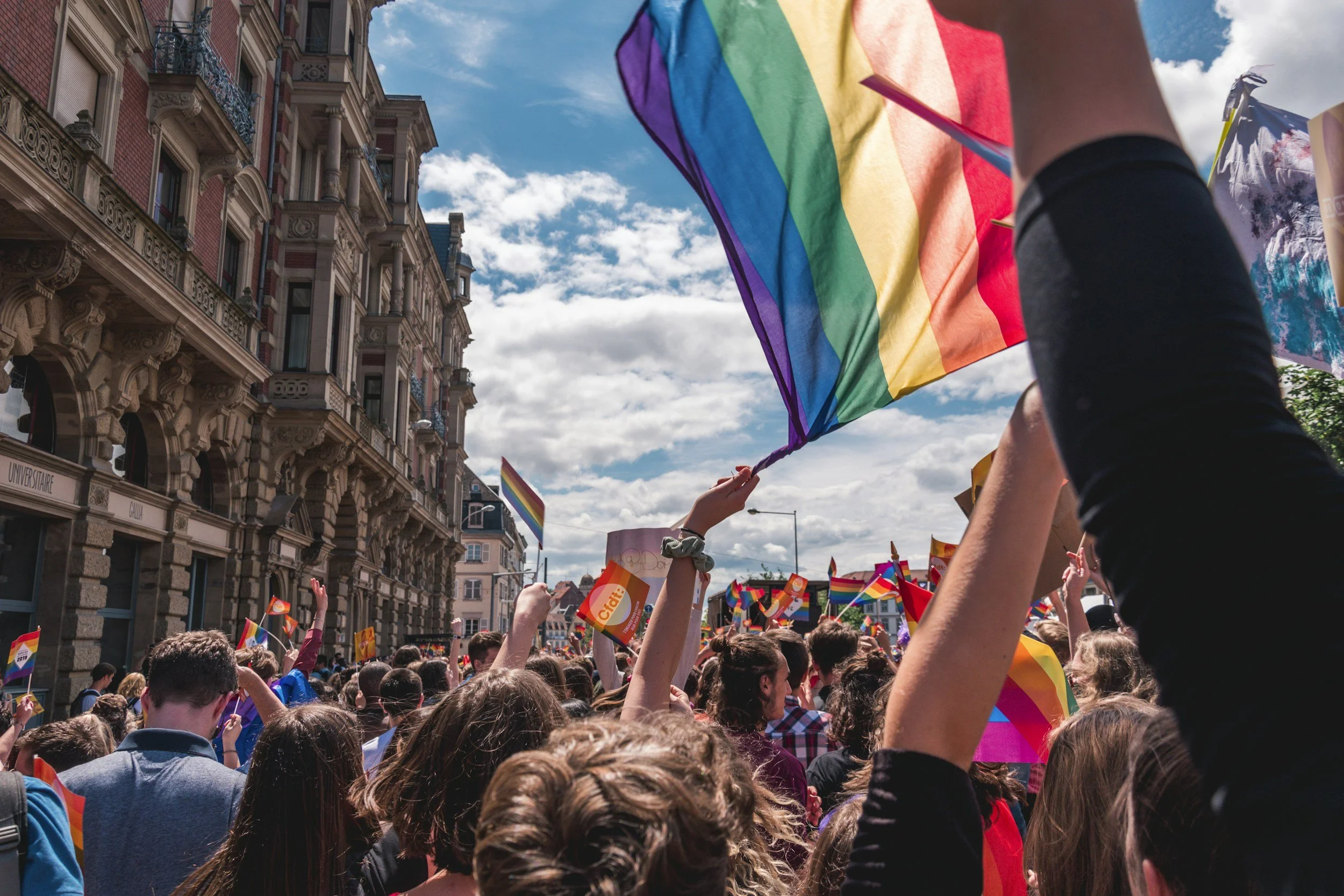
For many LGBTQIA+ people, Pride Month is a time of celebration.
It offers an opportunity to gather in community, honor LGBTQIA+ history, and experience the joy of living more openly and authentically.
At the same time, Pride can stir up emotions that don't always fit neatly into its celebratory nature. Sometimes people find themselves feeling unexpectedly lonely, sad, anxious, or disconnected during this time of year.
One reason Pride can bring up difficult feelings is that it centers something deeply human: our desire to belong. When belonging has felt complicated, uncertain, or hard-won, celebrations of community can sometimes illuminate old wounds alongside joy.
When Pride Highlights Loneliness
Pride is often portrayed as a time of connection. Social media is filled with images of friend groups at parades, community events, and celebrations. For those who feel connected to LGBTQIA+ communities, these images can be affirming and meaningful.
For others, they can be painful.
Perhaps you've recently moved to a new city or are still trying to find your place within LGBTQIA+ spaces. Maybe you're grieving the end of a relationship or struggling with social anxiety. Or perhaps you have people in your life who care about you, yet still find yourself longing for deeper connection with people who share your experience.
When we're feeling lonely, it's easy to look around and conclude that everyone else has found the community we're searching for. In reality, many LGBTQIA+ people struggle with loneliness, even while appearing connected from the outside. Pride can simply make that loneliness more visible.
Pride Can Bring Up Grief
For many people, Pride is not only about celebrating who they are today. It can also bring attention to what was lost along the way.
Some people grieve years spent hiding parts of themselves. Others grieve relationships that changed after coming out, family members who were unable to offer acceptance, or opportunities that felt unavailable because being authentic didn't feel safe at the time.
Many LGBTQIA+ adults describe a sense of having arrived later than they would have liked to certain experiences. There can be sadness about missed milestones, relationships that never had the chance to develop, or periods of life spent focused more on survival than self-discovery.
This grief doesn't negate the joy of Pride. In many ways, it exists alongside it. Looking back on how far you've come can sometimes bring awareness to what it cost to get there.
The Comparison Trap
Pride Month can also create fertile ground for comparison.
You may find yourself wondering why other people seem more confident, more connected, or more certain about who they are. You might compare your own questions and insecurities to someone else's outward confidence and conclude that you're somehow behind.
But comparison often obscures more than it reveals. We tend to compare our internal experience to what others choose to share publicly. The person who seems completely comfortable in their identity may have spent years wrestling with the same doubts you're experiencing now. The person surrounded by friends may still struggle with loneliness. The person who appears certain may still have questions.
Comparison can leave us feeling as though everyone else belongs more than we do. More often than not, that feeling says less about reality and more about our own fears and insecurities.
"Am I Queer Enough?"
One of the most painful experiences Pride can bring up is the feeling that you don't fully belong within the LGBTQIA+ community itself.
This can happen for many reasons. People who come out later in life sometimes worry they've missed a formative experience shared by others. Bisexual and pansexual individuals may feel invisible or misunderstood. People who are questioning their identity may wonder whether they have the right to claim space before they feel certain. Others may feel disconnected because they don't fit cultural stereotypes associated with queerness.
Although these experiences look different on the surface, they often share a common theme: uncertainty about belonging.
Many of us learn, in one way or another, that belonging is something we must earn. We imagine there is a threshold of certainty, visibility, experience, or authenticity we need to reach before we can truly claim our place. Yet identity is rarely that tidy. Most people's relationship with themselves evolves over time, and community is often strongest when it makes room for that complexity.
Making Space for the Full Experience of Pride
One of the pressures Pride can create is the sense that we should be feeling a certain way. We may expect ourselves to feel celebratory, empowered, grateful, or connected. When our actual experience doesn't match those expectations, it can leave us feeling isolated or ashamed.
But emotionally meaningful experiences are rarely that simple.
It is possible to feel proud of who you are while grieving what you've lost. You can feel connected to your community while still feeling lonely in other areas of your life. You can appreciate Pride while also struggling during it.
The goal isn't to have the "right" emotional response to Pride. It's to make room for your experience as it is.
It is also worth acknowledging that Pride Month is unfolding within a broader social and political context. For many LGBTQIA+ people, concerns about discrimination, visibility, safety, healthcare access, or the rights of loved ones are not abstract issues. Even for those who are not directly impacted, the current climate can contribute to feelings of uncertainty, vigilance, grief, or fear. These reactions are understandable responses to the world we live in.
If Pride Month has brought up feelings of disconnection, shame, grief, anxiety, or uncertainty about where you belong, it may be worth exploring those experiences more deeply. Often, the emotions that surface during Pride are not really about Pride itself. They may be connected to earlier experiences of rejection, invisibility, family conflict, loneliness, or questions about identity that have never had space to be fully understood. They may also reflect the challenges of navigating a cultural moment that feels increasingly stressful or uncertain.
At its best, Pride is not just a celebration of belonging. It is also an invitation to reflect on our relationship to belonging itself. And for many people, that reflection is both joyful and deeply emotional.
Looking for LGBTQIA+-Affirming Therapy?
At Therapists of New York, many of our clinicians specialize in working with LGBTQIA+ individuals navigating identity exploration, relationships, family dynamics, anxiety, grief, life transitions, and questions of belonging.
Whether you're exploring questions about identity, navigating relationships, processing grief, or simply looking for a space where you can show up fully as yourself, we're here to help. Contact us to schedule a consultation and learn more about finding an LGBTQIA+-affirming therapist at Therapists of New York.