Understanding Bipolar Disorder Through the Art of Vincent van Gogh: Why March 31, World Bipolar Day, Matters
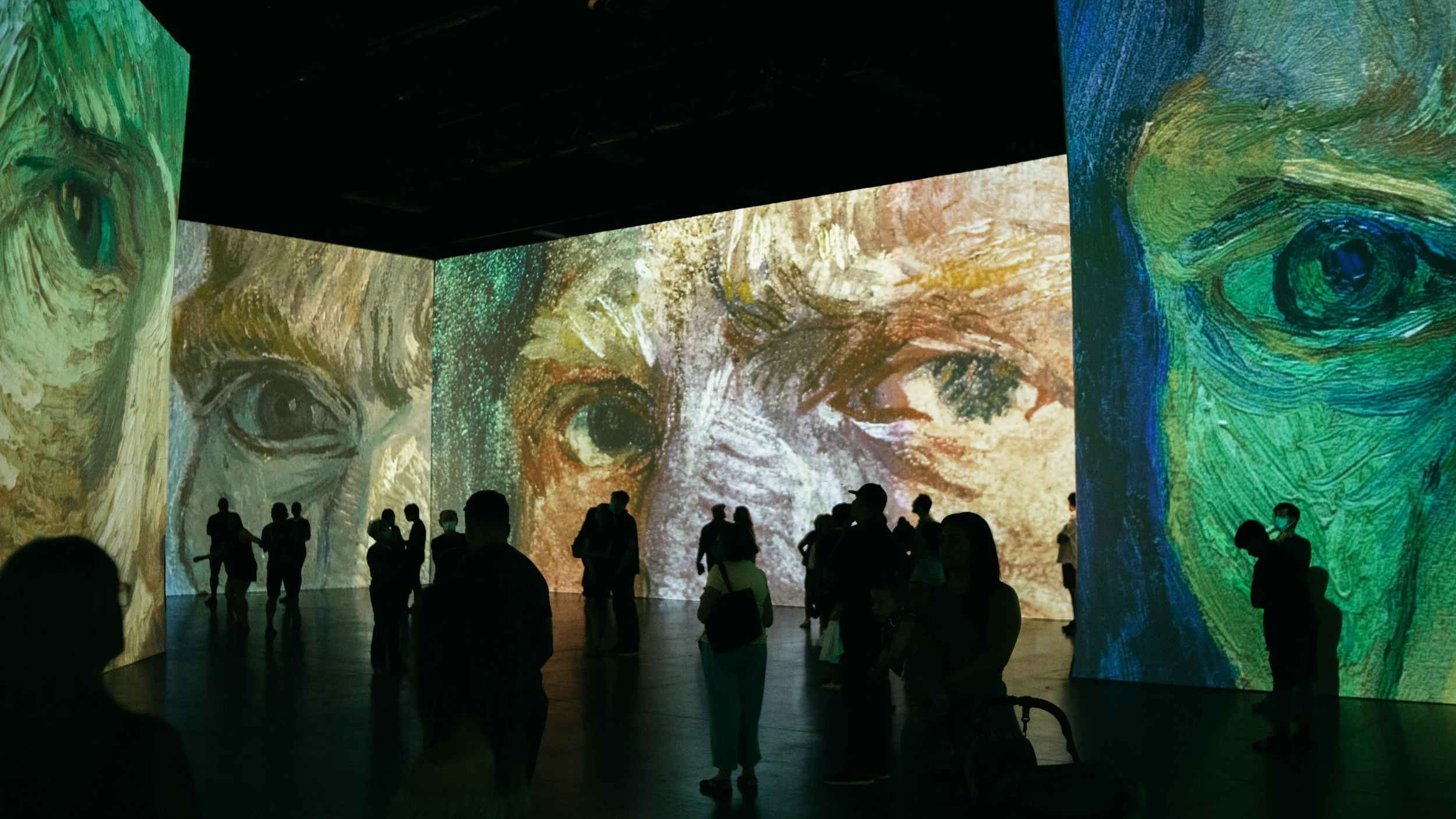
March 31 is World Bipolar Day, observed on Vincent van Gogh’s birthday.
The day was created to increase awareness, reduce stigma, and promote education about Bipolar Disorder worldwide.
Van Gogh’s life is often discussed in conversations about mood disorders. Many historians and clinicians have speculated that he may have lived with Bipolar Disorder Type I, though retrospective diagnosis is never definitive. His documented periods of intense productivity followed by profound despair reflect patterns we now recognize in bipolar mood cycles.
Looking at his work through this lens offers a more nuanced understanding of Bipolar Disorder. Not as a flaw or a personality quirk, but as a condition involving powerful shifts in energy, perception, and emotion. For some, those shifts can feel like painting with a wider, more intense color palette. The same intensity that brings vitality can also bring volatility.
What Is Bipolar Disorder?
Bipolar Disorder is a mood disorder characterized by alternating episodes of mania or hypomania and depression. These shifts go beyond typical mood changes and can significantly impact relationships, work, sleep, and overall functioning.
There are several forms of Bipolar Disorder, including Bipolar I Disorder, Bipolar II Disorder, and Cyclothymic Disorder. Each involves patterns of mood elevation and depression, but the severity and duration differ.
At its core, Bipolar Disorder involves dysregulation of mood and energy. The nervous system moves between states of expansion and contraction, sometimes rapidly, sometimes over weeks or months.
The Highs: Mania and Hypomania
During what he described as his “Yellow” periods, van Gogh was remarkably prolific. In one documented stretch, he completed 75 paintings in just 77 days. His canvases from that time radiate movement, urgency, and bold color.
Mania and hypomania can include elevated or expansive mood, decreased need for sleep, increased energy, racing thoughts, impulsivity, irritability, and risk-taking. Some individuals experience a surge of creativity or productivity during these periods. Ideas may feel abundant. Perception may feel heightened.
At the same time, untreated mania can be destabilizing. It can impair judgment, strain relationships, and lead to consequences that are difficult to repair. What feels expansive in the moment can become overwhelming or chaotic.
The goal of treatment is not to eliminate vitality or personality. It is to create steadiness so that intensity does not become destructive.
The Lows: Bipolar Depression
Following his vibrant “Yellow” periods, van Gogh’s work often shifted into darker tones, sometimes described as his “Blue” periods. The palette deepened. The brushstrokes felt heavier. Themes of isolation and exhaustion became more pronounced. While art cannot serve as diagnosis, these tonal shifts echo the dramatic emotional changes many people with Bipolar Disorder describe.
Bipolar depression can involve persistent sadness, loss of motivation, slowed thinking, fatigue, hopelessness, and changes in sleep and appetite. These episodes are not simply low mood. Many people describe them as a kind of internal dimming or shutdown.
The contrast between expansive highs and immobilizing lows can feel disorienting. It is often this swing, rather than any single state, that makes Bipolar Disorder so challenging.
Mixed Episodes: When Opposites Collide
One of the most complex aspects of Bipolar Disorder is the mixed episode. In mixed states, symptoms of mania and depression occur simultaneously. A person may feel physically energized but emotionally hopeless. Thoughts may race while mood feels dark or agitated. Many describe feeling “wired but exhausted.”
Mixed episodes can be particularly distressing and may carry increased risk because energy and despair are present at the same time. Recognizing and treating mixed states is essential for safety and stabilization.
Bipolar Disorder and the Myth of the “Tortured Genius”
There is a long cultural narrative linking Bipolar Disorder with artistic brilliance. While some individuals experience heightened creativity during hypomania, suffering itself is not a prerequisite for talent. Romanticizing mood episodes can minimize the very real pain they cause.
At the same time, reducing Bipolar Disorder to only dysfunction can erase the lived experience of intensity, depth, and perception that many people value as part of themselves.
A balanced perspective acknowledges both realities: Bipolar Disorder involves significant challenges, and it also exists within full, complex human beings whose identities are larger than any diagnosis.
Treatment for Bipolar Disorder
Bipolar Disorder is treatable. With consistent care, many individuals live stable, meaningful lives.
Treatment often includes psychotherapy focused on mood stabilization and insight, collaboration with a psychiatrist for medication management, sleep and routine regulation, identifying early warning signs of episodes, and strengthening support systems.
Therapy helps individuals understand their patterns, reduce shame, and build structures that support steadiness. Stability does not mean flattening emotion or eliminating intensity. It means creating conditions where energy and emotion can exist without causing harm.
Why World Bipolar Day Matters
March 31, van Gogh’s birthday, serves as a reminder that Bipolar Disorder affects millions of people worldwide. World Bipolar Day encourages education, earlier diagnosis, and access to evidence-based treatment. It also challenges stigma by inviting more nuanced conversations about mood disorders.
Bipolar Disorder does not mean someone is broken. It means their emotional system moves through powerful shifts. With the right support, those shifts can become more predictable, manageable, and less disruptive.
If you or someone you care about experiences extreme mood changes, periods of elevated energy, prolonged depression, or mixed states, professional support can help. At Therapists of New York, our clinicians work with individuals navigating Bipolar Disorder and other mood disorders. We provide thoughtful, evidence-based therapy focused on stability, insight, and long-term well-being.
If you would like to learn more about treatment for Bipolar Disorder or schedule a free consultation, you can contact us here.